
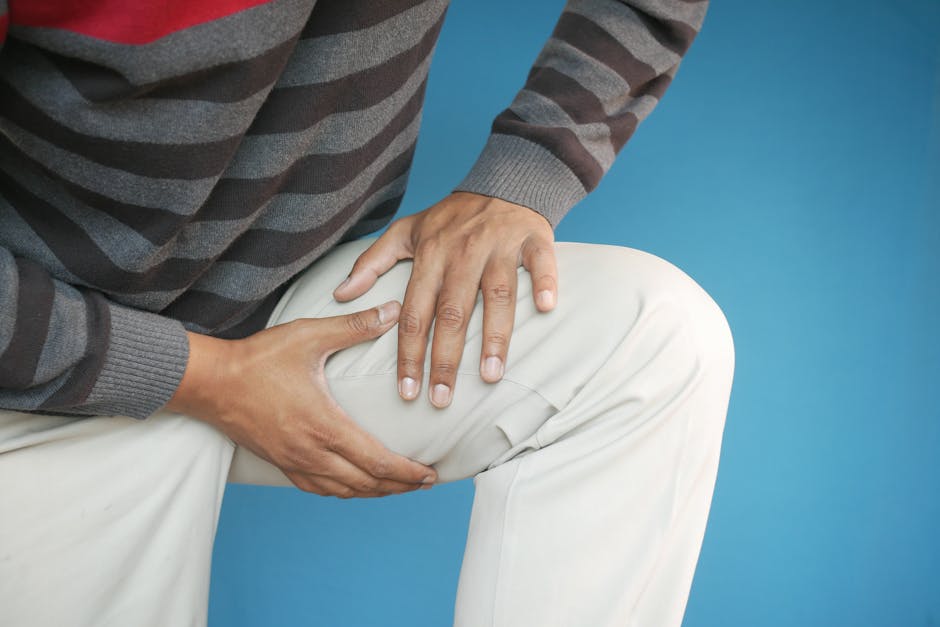
Living in Cheektowaga, NY means experiencing all four seasons to the fullest. From crisp autumn mornings to snowy winters, rainy springs, and humid summers, our bodies are constantly adapting to shifting weather conditions. Many residents notice that changes in the weather can increase joint pain—especially those already dealing with arthritis or chronic musculoskeletal issues. But is there really a science behind the aches you feel when the forecast shifts? As a local chiropractor, I often get asked why weather changes affect joint pain and what can be done about it. Here’s what you need to know.
How Weather Influences Joint Pain
*Barometric pressure*, also known as atmospheric pressure, is the force exerted by the air around us. When a front moves through Cheektowaga, whether it’s a lake-effect snowstorm or a muggy summer rain, the barometric pressure often drops. When pressure drops, the tissues in your body—including those around your joints—can expand slightly. For people with arthritis, inflammation, or previous injuries, this expansion can increase pain sensitivity in already vulnerable areas.
Other weather factors that may play a role include:
- Temperature: Cold weather can stiffen joints, making movement feel more restricted.
- Humidity: High moisture levels can amplify swelling in inflamed joints.
- Rain and Snow: Precipitation is often preceded by a pressure drop, which can trigger pain before any rain or snow actually falls.
Why So Many in Cheektowaga Suffer During Weather Swings
Cheektowaga’s location on the Eastern Great Lakes means rapid weather changes are common. Residents know that a sunny morning can turn into a windy, rainy afternoon with only a moment’s notice. The frequent shifts in weather—especially in spring and fall—result in repeated changes in barometric pressure, which may explain why so many people here talk about their “weather knees” or “weather hips.”
Combine this with the active, hardworking lifestyle characteristic of our community—whether you’re shoveling snow, gardening, or hiking in Reinstein Woods—and it’s no surprise that joints take a beating.
Conditions Most Affected by Weather Changes
Certain joint conditions make people in Cheektowaga more prone to experiencing pain with the weather. These include:
- Osteoarthritis: With worn cartilage, these joints are extra sensitive to fluctuations.
- Rheumatoid Arthritis: Inflammatory processes can flare up in response to pressure or humidity shifts.
- Past Injuries: Old fractures, sprains, or surgeries can create points of weakness.
If you have any of these issues, paying attention to how your body responds to forecast changes can help you anticipate periods of discomfort and plan accordingly.
What You Can Do to Cope
While you might not be able to control the weather in Cheektowaga, there are strategies you can use to ease joint pain when Mother Nature is unpredictable:
- Keep Moving: On chilly days, gentle movement helps keep joints lubricated and flexible. Try indoor walking at Walden Galleria or light stretching at a local community center.
- Stay Warm: Dress in layers and use warm compresses on sore joints, especially before outdoor activities like snow removal.
- Hydrate: Dehydration can worsen joint discomfort. Aim for consistent water intake, even on cold days.
- Monitor Your Body: Consider keeping a weather-pain journal to spot patterns that link your pain with specific weather conditions.
- Mind Your Home Environment: A humidifier during dry winter months can help, while an air conditioner or dehumidifier may bring relief during summer.
- See a Professional: Regular chiropractic adjustments, therapeutic exercises, and other non-invasive options can help manage symptoms linked to weather changes.
Frequently Asked Questions
Is there proof that weather really affects joint pain?
While there’s limited large-scale clinical evidence directly linking barometric shifts to joint pain, many studies—combined with years of patient reports—suggest a real relationship, especially for people with arthritis or prior injuries.
What time of year is worst for joint pain in Cheektowaga?
Most people report the greatest discomfort during rapid seasonal transitions, especially in late fall and early spring when temperatures and pressure can change dramatically in a single day.
Will moving to a different climate help my joint pain?
Some people do find relief in consistently warm, dry climates, but for most Cheektowaga residents, adapting your routine and environment is a more practical approach.
When to Seek Help
If joint pain with the weather is interfering with your daily life in Cheektowaga—whether that’s work, family time, or recreation—it’s time to seek guidance. Early intervention, proper self-care, and professional input can help you stay active through every season.
Joint pain doesn’t have to dictate your life, even in a place as weather-variable as Cheektowaga, NY. By understanding why your body reacts to the shifting environment and taking steps to manage discomfort, you can enjoy all the seasons Western New York has to offer.
