
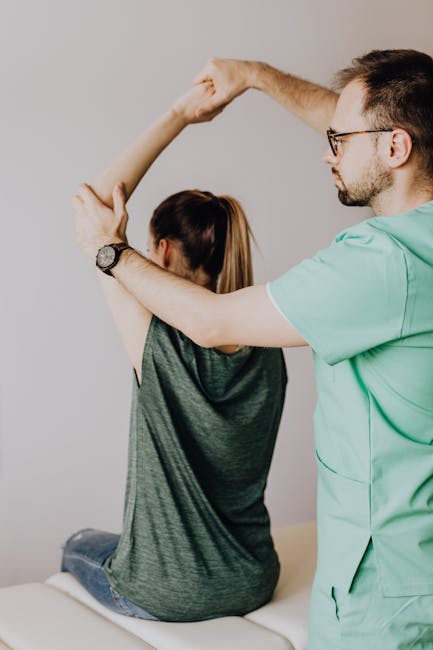
If you’ve ever found yourself rubbing your temples after a long day hunched over a desk or staring down at your phone, you may have wondered: Can bad posture really cause headaches? For residents of Cheektowaga, New York—where many of us juggle busy workdays, family life, and the demands of commuting—this question is more relevant than ever. Let’s dive into how posture impacts your health, whether bad posture really leads to headaches, and what you can do locally to start feeling better.
Understanding Posture Headaches
Poor posture is a modern epidemic, and it’s especially noticeable in communities like Cheektowaga where people commonly spend hours at desks, in cars, or looking at digital screens. When your body stays in a slouched or awkward position for long periods, there is extra stress on your muscles and joints—especially those in your neck and upper back.
This muscle tension can refer pain to the head, resulting in what medical professionals call a “cervicogenic” headache. Unlike migraine headaches, which are often associated with visual changes or other neurological symptoms, posture-related headaches tend to:
- Cause a dull, aching pain
- Begin at the base of the skull or around the neck and radiate towards the forehead
- Worsen throughout the day, particularly with prolonged sitting or device use
- Sometimes cause tenderness in the shoulders or upper back
How Does Posture Cause Headaches?
The science is clear: holding your body in a forward head posture (think of the “tech neck” phenomenon) places additional load on the muscles of the neck and upper back. Here’s how this happens:
- The head, which weighs about 10-12 pounds, shifts forward relative to the shoulders.
- For every inch your head moves forward, it doubles the load on your neck muscles.
- Over time, this added tension can irritate nerves at the base of the skull and reduce healthy blood flow.
For Cheektowaga locals who drive often on the 33, spend the day in Buffalo or downtown, or wind down with TV or gaming after work, these habits can add up to chronic, low-grade headache pain.
Signs Your Headache Might Be From Poor Posture
How do you know if your headaches are caused by poor posture rather than allergies or other common triggers? Here are a few signs to watch for:
- You notice pain after sitting at a computer, reading, or texting for long periods.
- Relief comes when you stretch, move, or get a massage.
- The pain is dull, wraps around your head, and is often worse at the end of the day.
- You have tightness or soreness in the neck, shoulders, or upper back.
- You rarely experience these headaches on weekends or days when you’re more active.
The Cheektowaga Lifestyle and Posture Pitfalls
Life in Western New York has its own unique posture challenges. Many residents deal with long winters, which means more time indoors and an increased likelihood of sedentary habits. Work-from-home arrangements, online classes for Erie County students, or long commutes to Buffalo or Rochester contribute to hours of sitting and screen time.
Local gatherings, from Sabres games to community fish fries, often involve sitting or standing in one spot for a long while. For many in Cheektowaga, these lifestyle factors combine, contributing to a cycle of poor posture and recurring tension headaches.
Preventing and Managing Posture-Related Headaches
The good news? You can dramatically reduce your risk of posture headaches with a handful of simple changes:
*Check Your Workstation*
- Adjust chair height so your feet are flat and your knees are at a right angle.
- Keep screens at eye level to avoid constantly looking down.
- Use a lumbar roll or small pillow to support your lower back.
*Take Movement Breaks*
- Stand up, stretch, and move around at least once an hour.
- Gentle neck rolls and shoulder shrugs can help reset muscle tension.
*Strengthen Your Upper Back and Neck*
- Engage in exercises like rows, chin tucks, and wall angels to build endurance in postural muscles.
- Many Cheektowaga gyms and community centers offer posture-focused fitness classes.
*Upgrade Your Pillows*
- Your pillow should support the natural curve of your neck—too high or low can make it worse.
- Ask local sleep shops or chiropractors about recommended pillow options.
*Visit a Chiropractor or Physical Therapist*
- Professional assessments can identify subtle postural imbalances.
- Regular adjustments, stretches, and ergonomic advice are tailored to your lifestyle in Cheektowaga.
When to Seek Help
Most posture headaches are manageable with self-care, but you should seek professional evaluation if:
- Headaches are frequent, severe, or getting worse.
- You notice neurological symptoms like vision changes, numbness, or weakness.
- Over-the-counter medication stops providing relief.
Local healthcare providers in Cheektowaga can assess your symptoms and guide you to the best solutions, including personalized chiropractic care and advice on healthy movement.
Cheektowaga’s Commitment to Wellness
With the rapid pace of life and changing work environments, prioritizing posture is a vital part of wellness for Cheektowaga residents. From youth sports at Stiglmeier Park to community events at the mall or town library, the focus on active living is growing. Simple daily changes and awareness of posture’s role in headache management are steps toward a healthier, pain-free life.
Final Thoughts
If you find yourself asking “Can bad posture really cause headaches?”—the answer is yes, and it’s a situation all too familiar in our Cheektowaga community. With a few changes to your daily routine and local resources for support, you can minimize headaches, enhance your energy, and enjoy all that Western New York has to offer.
