
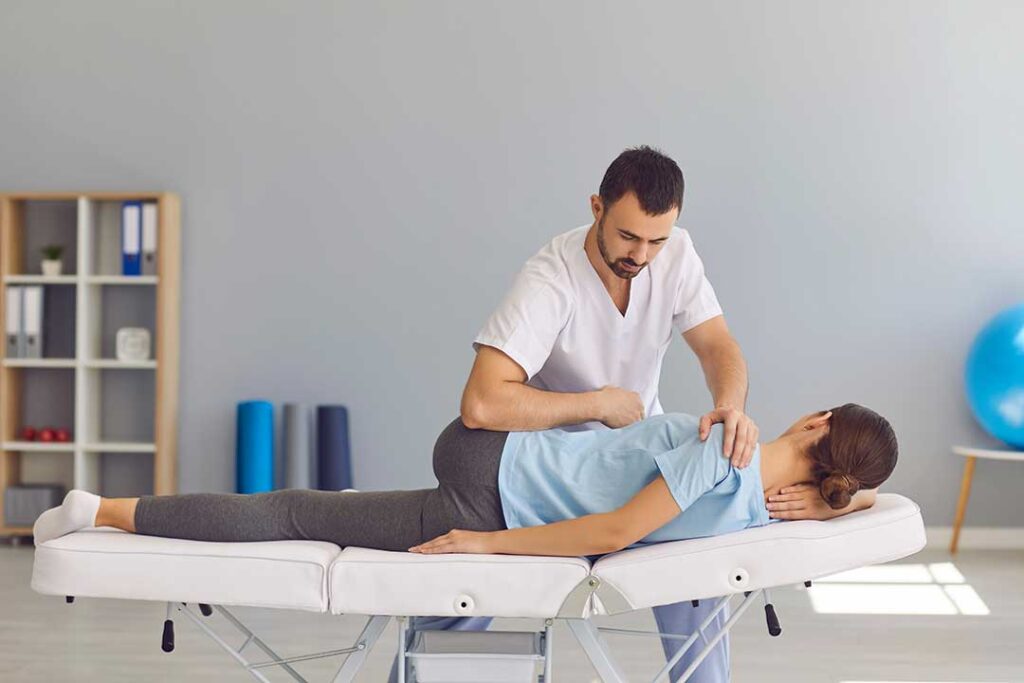
What Is Spinal Maintenance and Why Do People Ask About It?
Spinal maintenance refers to ongoing care and attention given to the muscles, joints, and nerves of the back and neck. Residents in Cheektowaga, NY often wonder if this is just for those with back pain, or if it can benefit anyone. In reality, regular spinal care can help people of all ages keep their nervous system function optimal, reduce everyday discomfort, and support their ability to stay active—important for those living in a changing climate and managing seasonal chores.
How Does Spinal Health Affect Everyday Life in Cheektowaga?
Spinal health plays a crucial role in how area households move throughout their daily routines. Whether shoveling snow, gardening in the spring, carrying groceries, or commuting, the back and neck are continuously engaged. Even minor strains or stiffness can influence how people feel at work, school, or home. Taking steps to keep the spine aligned and healthy helps prevent the gradual buildup of pain and promotes easier movement, which is especially valued during icy winters and humid summers.
What Are the Main Benefits of Ongoing Spinal Care?
Maintaining spinal health isn’t just about treating existing pain—it’s about long-term function and comfort. Here’s how consistent attention can help:
- Improved Mobility: Regular care helps keep joints flexible, making it easier to move, bend, and stretch, which supports day-to-day chores and recreation.
- Reduced Aches and Stiffness: Addressing minor misalignments or muscle tension before they escalate lowers the likelihood of persistent soreness.
- Prevention of Future Issues: Early interventions can stop small problems from becoming major disruptions, minimizing the risk of missed workdays or needing more intensive care later.
- Support for Nervous System Health: A healthy spine supports clear nerve messaging, which can positively affect overall body function.
Do People Without Pain Benefit from Spinal Maintenance?
Yes—many individuals without current symptoms choose spinal maintenance as part of preventative self-care. It’s common for Cheektowaga residents to have subtle postural habits, like looking down at screens or sitting for long periods, that slowly impact spinal alignment. Routine check-ins or at-home stretches can help counteract these trends, reducing the chance of future pain.
How Can Proper Spinal Care Impact Exercise and Active Living?
Consistent spinal attention makes physical activity safer and more comfortable. Residents who enjoy cycling, hiking, or neighborhood walks often find that flexible backs and necks allow for greater participation with fewer setbacks. Even non-athletes notice improved energy and easier recovery after weekend projects or family gatherings.
- Proper alignment reduces strain during movement.
- Good spinal function supports balance, helping prevent falls.
- Maintaining range of motion encourages ongoing activity throughout the year.
What Are Common Misunderstandings About Spinal Maintenance?
Some people believe spinal care is only for those with significant or diagnosed back conditions. Others assume it has to involve frequent office visits or specialized treatments. In fact, many aspects of spinal maintenance—like mindful posture, regular stretching, and proper lifting—can be handled independently with the right information.
Another misconception is that once back pain starts, it is an unavoidable part of aging. While some changes are natural over time, many sources of discomfort can be eased or prevented with consistent habits.
What Practical Steps Support a Healthy Spine at Home?
Local residents don’t need advanced tools to care for their spine. Common strategies include:
- Taking brief standing or walking breaks when doing desk work.
- Using proper lifting techniques for groceries, boxes, or yardwork.
- Creating ergonomic setups for reading or screen time.
- Incorporating gentle exercises like walking, swimming, or yoga.
- Layering up in cold weather to prevent muscle stiffness while outdoors.

Staying mindful of posture while driving—especially through winter streets—also minimizes strain.
What Local Factors Influence Spinal Health?
Cheektowaga’s climate features both cold, snowy months and humid summers, which influence activity patterns. Shoveling snow increases risk of back strain, while summer yardwork and home projects also test spinal stability. Uneven sidewalks or slippery pathways can cause slips that may lead to aches or misalignments. Adjusting routines with the seasons—such as stretching before outdoor chores or wearing supportive footwear—helps protect the spine.
When Should Someone Consider Professional Help?
While most spinal maintenance can be managed at home, certain situations require extra attention:
- Persistent pain that does not improve with rest or basic care.
- Sudden, intense discomfort after a fall or lifting incident.
- Numbness, tingling, or weakness in the arms or legs.
- Pain that interferes with walking, sleep, or daily tasks.
In these cases, consulting a healthcare provider ensures underlying issues are addressed safely.
Why Do Some People Overlook Spinal Maintenance?
Daily responsibilities, family obligations, and busy routines sometimes push self-care to the background. Additionally, local households may view minor discomfort as something to push through, not a signal for routine maintenance. Shifting this mindset towards prevention can support long-term wellness for both individuals and the wider community.
